Auditing Charging Capacity Before Leasing More Parking Bays
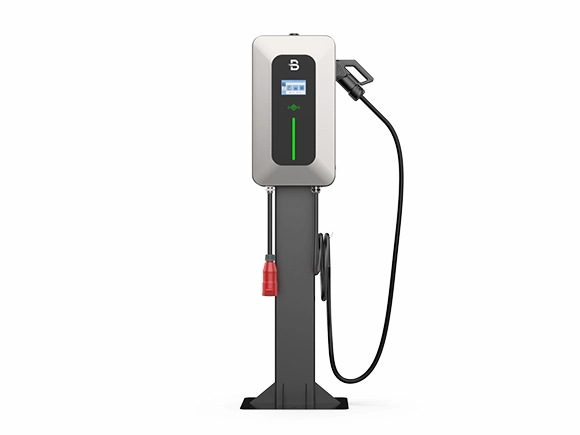
Leasing more charging bays adds space and obligations. It does not, by itself, add electrical capacity or ensure that more vehicles can receive the service promised to them. Before signing, audit the existing equipment, the available site supply and the time vehicles actually occupy the bays.
The audit should end with a service commitment that both landlord and operator can explain. That may be a staged charging provision rather than an immediate promise of full power at every new space.
Count vehicles served, not cables displayed
Record the number of vehicles that can charge at the same time. A unit may have several cables without supporting the same number of simultaneous sessions. The US Alternative Fuels Data Center distinguishes a charging port serving a vehicle from the connectors available on it; that distinction is useful when checking an equipment schedule.
Map each usable charging position to its equipment and connection. Include bays that are blocked, reserved for another purpose or inaccessible during part of the day. A total based on installed hardware alone can overstate the service drivers can actually use.
Then review demand by time of day. A busy lunchtime queue and a largely empty evening present different leasing questions from a depot that fills every bay at the end of a shift.
Check the capacity the operator can rely on
Ask the responsible electrical team for the charging power available after other site loads and agreed limits are considered. Record whether the allowance is fixed, controlled dynamically or available only during stated periods.
An illustrative audit might find eight bays connected to a charging allocation of 88 kW. Adding four bays without increasing that allocation creates more places to connect, but the total remains 88 kW. Whether that is adequate depends on energy required and parking time, not the new bay count alone.
Review the proposed control arrangement and its fallback. If available charging power changes with building demand, the operator needs a clear basis for the service it advertises. A nominal charger rating is not a guaranteed allocation from the landlord's supply.
Match the lease to the parking pattern
Estimate energy needs from the vehicles and their dwell times. Long workplace visits may suit a different arrangement from short customer stops. Validate those assumptions with the people using the site rather than treating every parked vehicle as an identical charging request.
Use the parking audit to shortlist configurations from BENY's AC and DC charging range. Compare the listed equipment with the site's long stays, short visits and vehicle needs, then name the planned configuration in the lease assumptions.
For a staged lease, describe the first service level and the evidence that would trigger expansion. That evidence might include persistent queues, missed energy commitments or a confirmed change in vehicle use. Avoid expanding solely because more spaces happen to be available.
Put responsibility for enabling works in writing
Separate the bay lease from the works needed to make charging operational. Identify responsibility for electricity supply, any required utility coordination, civil works, communications, metering, maintenance access and reinstatement at the end of the term.
The operator also needs to understand who controls the parking spaces. If unrelated vehicles can occupy the new bays without a workable management process, the electrical investment may not create a dependable charging service.
Review the term against the installation and expansion arrangements. A future upgrade may require approval, disruption or additional work. Record those dependencies while the commercial agreement can still address them.
Approve a clear first-stage commitment
Before signature, check that the proposed service can be stated in a few plain sentences:
· How many vehicles can connect and charge concurrently?
· What total charging allocation is available, and when?
· What driver energy or access expectation is being offered?
· Who handles a reduced supply or a charging fault?
· What must happen before the next stage is installed?
Those answers make the leasing decision more concrete. More bays can improve access and reduce the need to move vehicles, but the promised service must still fit the available electricity, equipment and operating schedule.